Winning a sale is one thing - giving customers a reason to come back is another
The loyalty effect of trade-in is clear: 84% of consumers would buy their next smartphone from the same brand if it offered a compelling trade-in experience.
In our Powering Growth Through Trade-In report, we found that trade-in does not just support conversion. It also strengthens loyalty, improves brand perception and increases the likelihood that customers choose the same brand again.
The loyalty effect is clear: Our research shows that 84% of respondents are more likely to purchase their next smartphone from the same brand if it offers a compelling trade-in experience and value.
Loyalty is even higher in stores, with 86% of people who prefer to trade in-store likely to buy a model from the same brand during trade-in. Across categories, respondents also said that having a trade-in option makes them more likely to stay with their current brand, including 64% for smartphones, 57% for gaming and home entertainment, 53% for kitchen appliances and 47% for floorcare.
That is a strong signal that trade-in is not just influencing a single transaction. It is shaping the relationship beyond it. It also gives brands a reason to re-engage customers at the next upgrade moment, rather than waiting passively for them to return to market on their own.
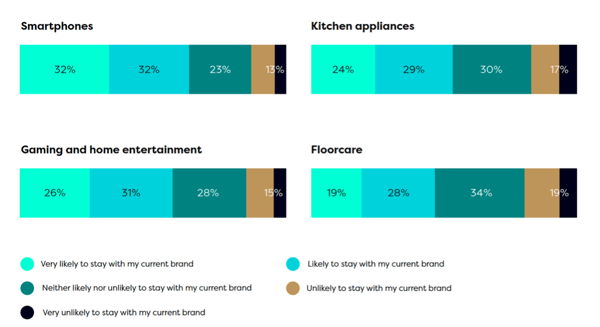
Figure 1: How trade-in influences customer loyalty across categories
That becomes even more powerful when brands use trade-in to create a more sustainable upgrade path.
By rewarding existing owners with higher trade-in values when they return an own-brand model, brands can make each new generation more accessible while reinforcing long-term loyalty. For telcos and OEMs especially, that can strengthen existing loyalty drivers by making it easier for customers to stay within the same contract, brand or device ecosystem when it is time to upgrade.
The effect is cumulative: repeat purchase becomes easier, customers stay engaged for longer, and lifetime value grows.
Trade-in also changes how a brand is perceived.
The report also found that 76% of consumers who had previously traded in said their perception of the brand improved. It also tested customer preference between two otherwise comparable brands: Brand A offered trade-in, while Brand B did not. With the product, price and other conditions kept the same, 75% of customers said they would choose the brand offering trade-in. Among people with prior trade-in experience, that preference rises to 86%.
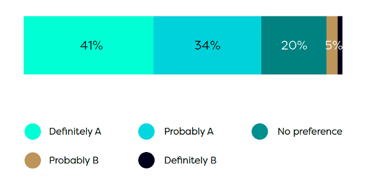
Figure 2: Consumer preference between two comparable brands, one offering trade-in and one without
This is where trade-in starts to matter beyond pure sales activation.
In premium and high-end categories especially, brands have used trade-in to avoid overt discounting and preserve the headline price of a new device. That means they can offer customers a better effective price without undermining the premium stature of the product itself.
So yes, discounting can create short-term attention. But trade-in can do something even more valuable: it can help brands win the next purchase, not just the current one.
For OEMs, retailers and carriers, the takeaway is clear: trade-in should be part of the model by design. When it is built into the experience from the outset, it does more than support conversion. When the experience is simple, clear and certain, customers are more likely to trust it, repeat it and stay within the same ecosystem over time. That is what helps create the kind of trusted, repeatable upgrade journey that strengthens loyalty, improves brand perception and grows customer lifetime value over time.
Access our Powering Growth Through Trade-In report to explore further how trade-in can strengthen loyalty, improve brand perception and build longer-term customer value.
This data is explored in depth in our Power growth through trade-in report
Including channel-by-channel benchmarks, AOV uplift by category, and the seven-step operational playbook for designing a high-performing D2C trade-in programme.
Get the full report
Fill in the form and we'll send it over.
Get new research direct to your inbox
No spam. Just the latest insights from Alchemy's research team, delivered when we publish.