How trade-in can accelerate the purchase decision and increase basket conversion
Across categories, the availability of a competitive trade-in offer can directly influence whether a purchase happens at all, and when it happens.
For many customers, the reduction in upfront cost enabled by trade-in is the deciding factor that drives a new device purchase.
In our Powering Growth Through Trade-In report, affordability was the single strongest motivator for trade-in, with 81% of consumers citing a lower price or instant discount at checkout as the key reason to engage. The effect is strongest when that value is visible and usable immediately, because applying trade-in at checkout makes the purchase feel more achievable in the moment.
That matters because trade-in can reduce the effective price of a purchase while also accelerating the decision to buy.
By helping customers unlock value from a device they already own, trade-in can bring purchases forward that might otherwise be delayed. Across categories, the availability of a competitive trade-in offer can directly influence whether a purchase happens at all, and when it happens.
For smartphones, 54% of consumers said they would not have completed the purchase without trade-in or would have delayed the purchase until a trade-in offer became available. This varies across categories, with 45% of floorcare customers saying the same.
Trade-in can also shorten the upgrade cycle. 54% of smartphone consumers are confirming they’d upgrade sooner if trade-in was available, and overall customers purchasing consumer electronics are willing to upgrade 8 months earlier.
That is commercially important because earlier upgrades can help brands and retailers stimulate demand sooner, particularly during product launches, promotional periods or replacement-cycle moments.
For OEMs, retailers and carriers, that makes trade-in more than a pricing mechanic. It becomes a planning lever that can support new product launches, accelerate replacement and improve transaction value at the moments that matter most.
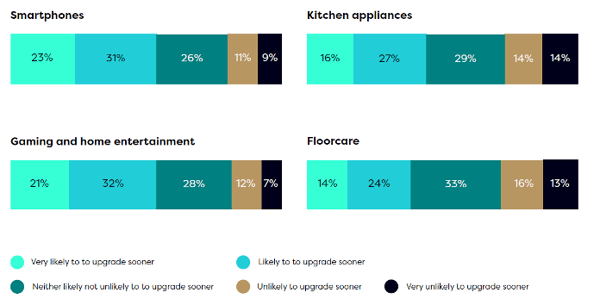
Figure 1: Likelihood to upgrade earlier when offered a trade-in option
Trade-in also changes what customers buy once they are in the market.
Trade-in programs effectively reduce the net purchase price, but the result is not always a smaller transaction. In many cases, customers use that value to move into a higher-specification or more premium product. When a traded-in device retains meaningful value, customers show a higher propensity to upgrade, which increases spend per transaction.
For example, when offered a smartphone trade-in value of $270, 68% of consumers said they would be more likely to upgrade to a newer or more premium model.
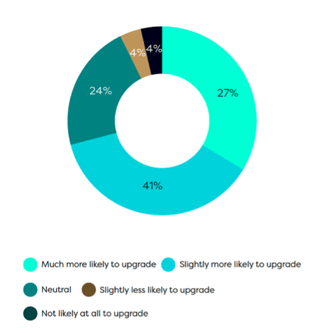
Figure 2: How trade-in value influences upgrades to newer or more premium models
D2C trade-in isn't cannibalising carrier volume - it's expanding the total addressable market.
This data is explored in depth in our Power growth through trade-in report
Including channel-by-channel benchmarks, AOV uplift by category, and the seven-step operational playbook for designing a high-performing D2C trade-in programme.
Get the full report
Fill in the form and we'll send it over.
More from our research team
The personal data privacy question retailers need to answer before customers trade-in
For many customers, trading in a device hinges on trust - connected products hold years of personal data, and people need confidence it will be protected, transferred and securely wiped before they hand anything over.
Dummy Snapshot 5: Wearables Signal
Dummy snapshot summarising fast-moving wearables trends for resellers.
Get new research direct to your inbox
No spam. Just the latest insights from Alchemy's research team, delivered when we publish.