The personal data privacy question retailers need to answer before customers trade-in
For many customers, trading in a device hinges on trust - connected products hold years of personal data, and people need confidence it will be protected, transferred and securely wiped before they hand anything over.
For many consumers, the decision to trade-in an old device is closely tied to trust.
Smartphones, laptops, tablets and other connected devices can hold years of personal information, from photos and messages to payment details, passwords and work files. Before customers hand those products over, they need confidence that their data will be protected, transferred where needed and securely removed.
In our Standing out in a crowded market with retail trade-in report, 24% of consumers said worries about data privacy or data wiping are a barrier to trade-in participation. For retailers, data security is therefore a critical part of increasing uptake.
These concerns also influence what consumers do with old devices after replacement. 26% of consumers say they keep devices as a backup or to access files, showing how closely data concerns are connected to device retention.
For smartphones specifically, keeping a device as a backup is the most common outcome after replacement, ahead of handing it down, trading it in or selling it privately.
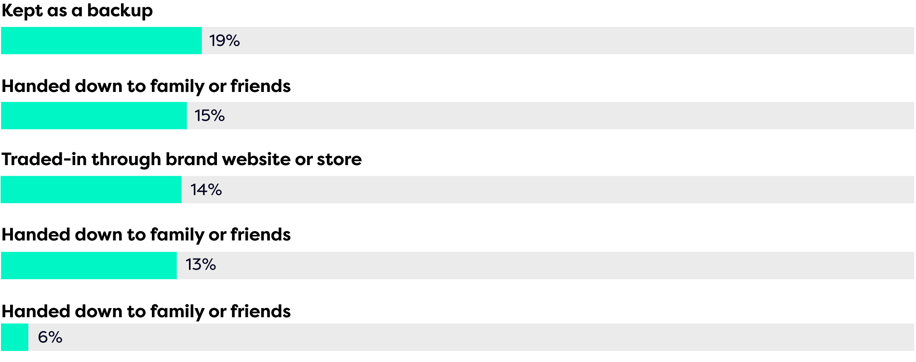
Figure 1: What consumers did with their previous smartphone
This behaviour becomes more pronounced with age, with 55-65 year olds being 1.7x more likely to keep a device as a back up than 18-24 year olds.
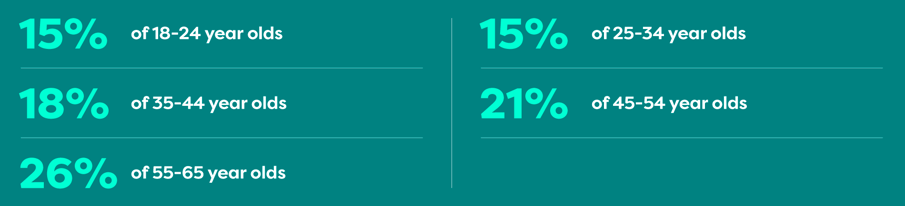
Figure 2: Percentage of each age group keeping devices as a backup
That pattern points to a clear need for guidance around data transfer, backup and erasure, particularly among older customers who may be more likely to hold onto devices because they are unsure what will happen to their information.
Data wiping should be visible in the trade-in journey, clearly explained and backed up with proof. Customers need to know what happens to their data, when it happens, who handles it and how they can be confident it has been erased.
The report shows that customers respond strongly to this kind of clarity. 30% say certified data wiping or factory reset support would encourage trade-in in store, while 29% want assisted data transfer to a new device.
For bricks-and-mortar retailers, in-store support can make the process feel more certain. Staff can explain the steps, support data transfer, help customers prepare their device and provide visible reassurance that personal information will be handled securely.
For e-commerce retailers, trust needs to work without face-to-face interaction. Clear FAQs, step-by-step instructions, certified data erasure processes, confirmation emails and transparent partner credentials can reduce uncertainty before a customer sends in their device.
The key is to make customers feel in control. When people know their files can be transferred, their personal information can be securely removed and their device will be handled by a trusted process, trade-in becomes easier to act on.
For retailers, addressing privacy concerns can unlock devices that might otherwise sit unused in drawers because customers are unsure what to do with the data inside them. By making data protection visible, simple and credible, they can increase participation, strengthen trust and make trade-in feel safer for more customers.
Access our Standing out in a crowded market with retail trade-in report to explore how retailers can build greater confidence in trade-in through trust, transparency and secure data handling.
This data is explored in depth in our Standing out in a crowded market with retail trade-in report
Trade-in isn’t just a feature - it’s a proven commercial strategy that helps you drive higher spend, earlier upgrades and build long-term loyalty for your consumer electronics.
Get the full report
Fill in the form and we'll send it over.
More from our research team
Winning a sale is one thing - giving customers a reason to come back is another
The loyalty effect of trade-in is clear: 84% of consumers would buy their next smartphone from the same brand if it offered a compelling trade-in experience.
How trade-in can accelerate the purchase decision and increase basket conversion
Across categories, the availability of a competitive trade-in offer can directly influence whether a purchase happens at all, and when it happens.
When customers underestimate the value of their old products, retailers lose value too
When customers underestimate what their old devices are worth, they opt out of trade-in altogether - our research found 28% don't participate because they assume the value is too low, the single most common barrier.
Get new research direct to your inbox
No spam. Just the latest insights from Alchemy's research team, delivered when we publish.