Your customers think their old appliance is worthless. It isn’t.
The biggest barrier to non-mobile trade-in is that customers don't know it's an option or assume their old appliance is worth nothing, when even broken devices hold value a brand could recapture to drive the next sale.
The single biggest barrier to non-mobile trade-in is awareness. It's not price holding customers back, they often simply don't know it's an option or assume their old device is worth nothing.
In our Commercial Opportunity for Trade-in Beyond Mobile report, 35% of consumers said they did not know trade-in options were available near them and 25% did not realize older models still hold value. Together, awareness and value perception outweigh every other barrier in the category.
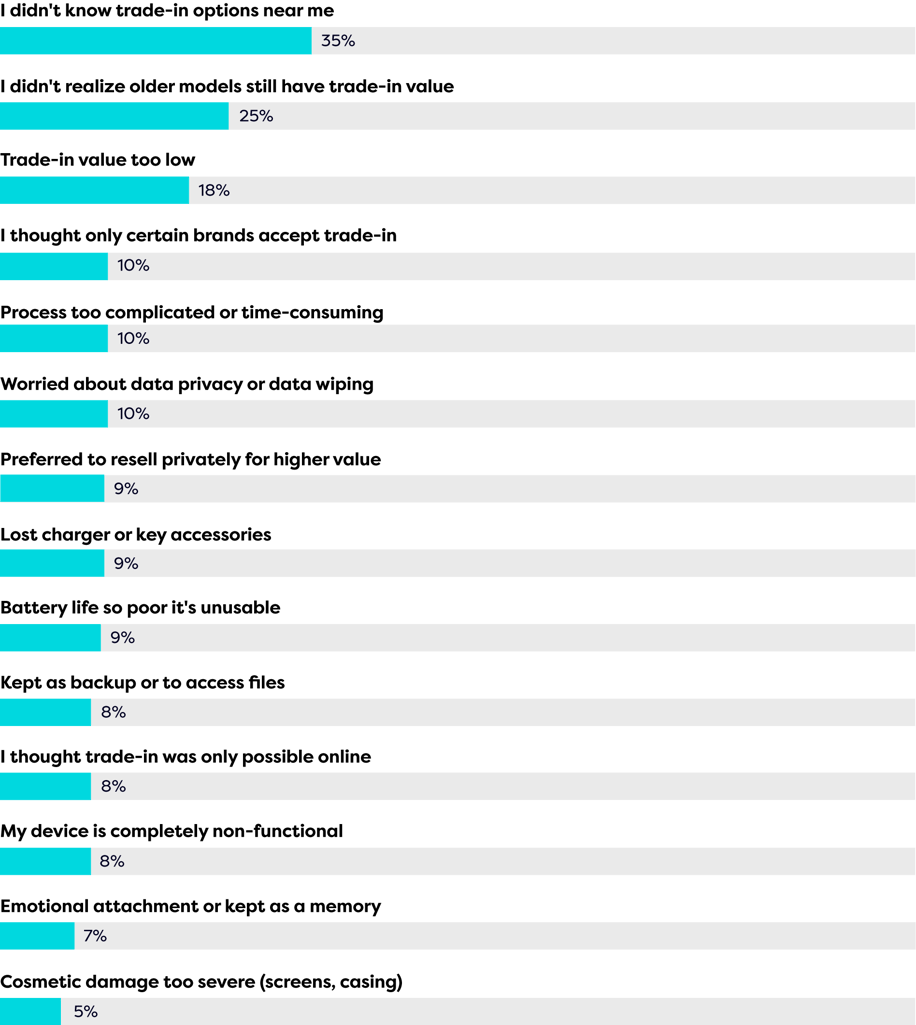
Figure 1: Consumer barriers to trading in non-mobile devices
That perception is reinforced by how long people keep these products. Appliances tend to be used until they stop working, so by the time a customer replaces one, they have already written off its value.
44% of floorcare products are kept for more than five years and 20% for over seven, long enough for any sense of residual worth to disappear, even if that's not the case.
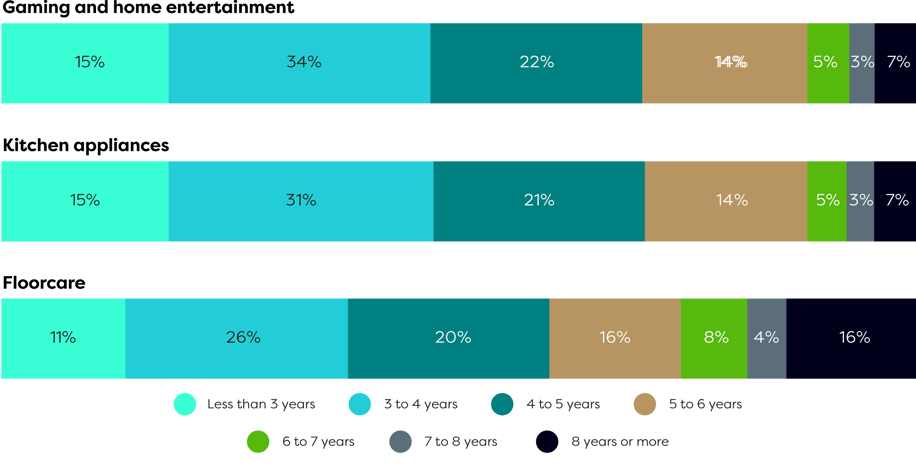
Figure 2: Replacement frequency in non-mobile categories
The result of this is value left on the table. When a customer assumes their old device is worthless, they default to discarding, recycling or storing it, and the brand loses the chance to use the trade-in of that device to incentivize the next sale. Even non-working products carry value through parts recovery and materials reuse.
Two levers change this. The first is communication: make value visible at the moment of decision, with simple messaging like “your old device may still be worth something” or “even broken products can reduce the cost of your next purchase.” The second is convenience, since bulky products make trade-in feel like hard work - 62% of consumers say home pick-up would make them more likely to take part and 55% say the same about tracked shipping.
For brands, resetting default perceptions is the key to success. Old does not mean worthless, and saying so clearly, while removing the logistical friction, turns overlooked devices into commercial opportunity.
This data is explored in depth in our Commercial Opportunity Beyond Trade-in report
For gaming, audio, floorcare and kitchen appliance brands, the smartphone trade-in model offers a clear blueprint for reducing discount dependency and turning otherwise discarded products into new growth opportunities.
Get the full report
Fill in the form and we'll send it over.
More from our research team
Winning a sale is one thing - giving customers a reason to come back is another
The loyalty effect of trade-in is clear: 84% of consumers would buy their next smartphone from the same brand if it offered a compelling trade-in experience.
When customers underestimate the value of their old products, retailers lose value too
When customers underestimate what their old devices are worth, they opt out of trade-in altogether - our research found 28% don't participate because they assume the value is too low, the single most common barrier.
The personal data privacy question retailers need to answer before customers trade-in
For many customers, trading in a device hinges on trust - connected products hold years of personal data, and people need confidence it will be protected, transferred and securely wiped before they hand anything over.
Get new research direct to your inbox
No spam. Just the latest insights from Alchemy's research team, delivered when we publish.